

Running Games
Verified Editorial Guide
⚡ HTML5 60 FPS Tested
💻 Chromebook & Mobile Compatible
📅 2026 Catalog Edition
About Running Games on YioGames
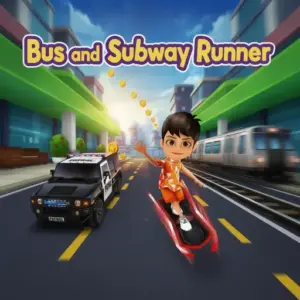
Running games provide pure, uninterrupted adrenaline where you never stop moving forward. Navigating multi-lane subway tracks, ancient temple ruins, and sprawling city rooftops, players sprint at breakneck velocities while dodging oncoming buses, leaping gaping chasms, and sliding beneath hazardous barriers. With every meter traveled, speed escalates, turning endurance into an electrifying test of peripheral vision and instant reflex response.
Genre Focus
Running Mechanics
Session Pace
3–15 Min Instant
Control Scheme
Keyboard / Mouse / Touch
Installation
0 MB • In-Browser Play
⭐ Featured in This Genre:
Core Mechanics & Controls for Running Games
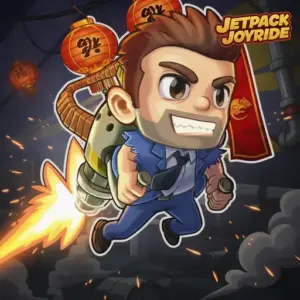
Endless runners employ three-lane swipe or keyboard navigation (Left/Right to switch lanes, Up to leap, Down to slide). Power-ups scattered along routes—such as coin magnets, hoverboards, jetpacks, and 2x score multipliers—temporarily alter gameplay rules, offering invulnerability windows or airborne bonus collection stages.
Pro Tips for Higher Scores & Faster Mastery
- Activate emergency power-ups (like hoverboards) when approaching dense multi-vehicle bottlenecks to absorb accidental collision damage.
- Keep your gaze locked on the horizon where obstacles spawn rather than staring at your character's immediate lane.
- Prioritize lane positioning that leaves two escape choices available rather than hugging outer boundary walls.
How Running Games are Classified
Running focuses on forward-momentum obstacle evasion and lane-switching reflexes. For free jumping exploration without automated forward running, check Platformer; for athletic track events, visit Sports.
Frequently Asked Questions
Does speed keep increasing indefinitely in endless runners?
Speed gradually ramps up to a challenging terminal velocity threshold designed to test reaction limits without becoming visually unreadable.
What happens when you hit an obstacle with a hoverboard active?
The hoverboard absorbs the collision impact and shatters, granting you brief invulnerability while your run continues uninterrupted.
Can running games be played with simple arrow keys?
Yes, desktop controls map seamlessly to Arrow keys or WASD, while mobile versions utilize intuitive finger swipes.